
Robinhood broke the commission-based brokerage model wide open and pushed zero-commission trading into the mainstream. By removing transaction fees on stocks, options and various securities, it made investing accessible to a far wider audience and dropped the barrier to entry sharply.
The impact of a commission-free structure went well beyond pricing. The app's design and experience made financial products feel more enjoyable, more accessible and less "technical". The sector's read on it: investing had become a consumer app.

How the Commission-Free Model Works, and Where the Revenue Comes From
Zero-commission trading was Robinhood's strongest value proposition, but its sustainability rested on a carefully designed business model. The main pillar was Payment for Order Flow (PFOF). Robinhood routed user orders to particular market makers and earned revenue from those transactions. Controversial in the US, the model was nevertheless the primary mechanism that made commission-free operation possible.
The Robinhood Gold subscription created an additional revenue channel by giving users access to advanced analysis tools and margin. Interest earned on cash balances and securities lending interest further strengthened the model's sustainability.
Together these formed a hybrid economic model that kept Robinhood financially viable: low barrier — high volume — alternative revenue.
User Acquisition Strategy: Mobile Focus, Simple Flow and Viral Spread
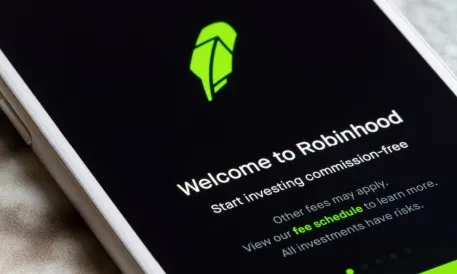
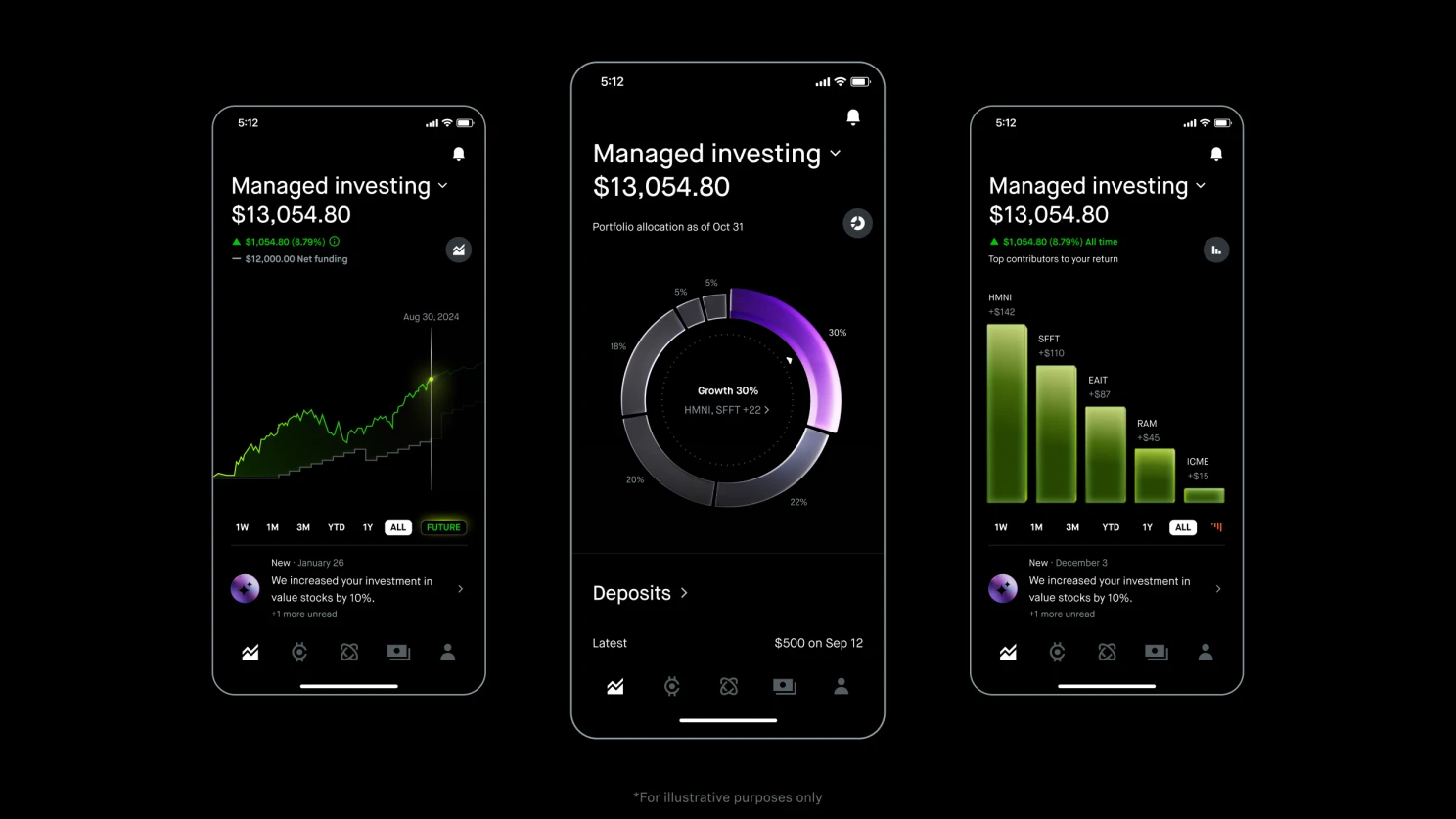
The app was built with a clean interface that made investing straightforward. In place of the complex screens typical of traditional finance apps, it adopted a more enjoyable, user-friendly logic.
That approach made the app popular in mobile stores quickly.
To build demand ahead of launch, Robinhood set up a waiting list. The method created a powerful FOMO effect and had thousands queuing to get in.
The platform positioned itself not only as somewhere to trade but as a place to learn about investing. Robinhood Learn content helped beginners enter the app with confidence.
A "refer a friend, get a free share" reward system was one of the main engines of Robinhood's viral growth.
Market Expansion: Crypto, Cash Management and IPO Access
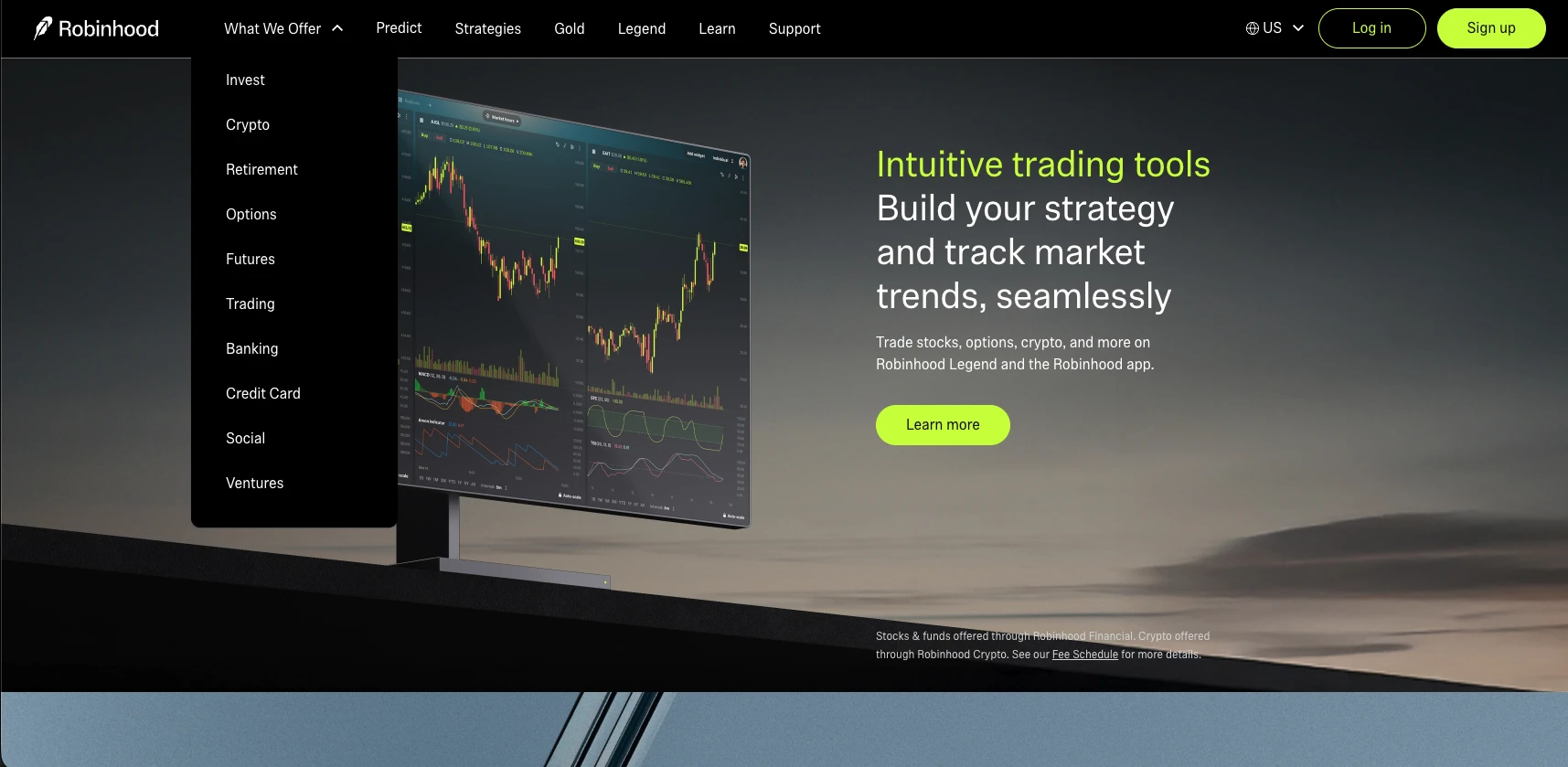
Robinhood did not limit its products to stock and ETF trading. Over time it added crypto trading, cash management products and IPO participation, turning the platform into a broader financial ecosystem.
That expansion let users handle their financial activity through a single app.
Financial Participation and Social Impact
Robinhood's biggest impact was on financial participation. The app's accessibility drew young users who had never invested before into the market. In the US, the effect was described as a "retail investor revolution".
The shift was read not just as a financial decision but as a cultural change in behavior: investing stopped being a difficult, expertise-heavy process and became a mobile app experience.
Robinhood's rise stands as a strong example that financial technology is about more than building products. A commission-free model, cloud-based scalable infrastructure, a gamified user experience and an aggressive mobile-first approach reshaped investing behavior within a few years. The transformation also showed clearly how lowering barriers to market access can accelerate a retail investor movement.
Robinhood reminds fintech founders of two fundamentals. First, user acquisition is now won through design and behavioral engineering. Second, regulation and trust are critical to the sustainability of the business model at every stage of growth.
Global markets today are far more competitive and user expectations shift far faster. A commission-free model is no longer an advantage on its own; value now comes from the right product expansion, a transparent business model and experiences that make users more capable. In that sense Robinhood remains a case study that serves as both a guide and a warning for the future of the fintech ecosystem.